
Retro Mini Tennis Arcade
What players say
Retro Mini Tennis Arcade keeps its scope tight: move a paddle, return balls, dodge bottles, chase medals. The bottle hazard is the standout design choice, forcing players to read the whole court instead of fixating on the ball. Progressive difficulty and a medal ladder give short runs a reason to continue. It suits players who enjoy reaction-based score chasing and nostalgic presentation, though anyone expecting deep tennis simulation or story content will find it deliberately minimal.
How to play
Return, Rally, Survive
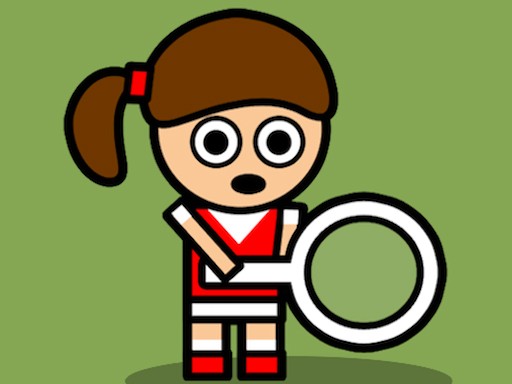
Retro Mini Tennis Arcade turns tennis into a test of reflex and positioning. You control a paddle at the bottom of the screen, sliding left and right to intercept and return incoming tennis balls. Each successful return extends your rally and builds your score. The pace starts manageable, giving you room to learn the ball's movement, but speed and frequency increase as you keep the rally alive. The core loop is simple: track the ball, move into position, and return it cleanly.
Bottles Change Everything
Flying bottles appear on the court alongside the ball, and hitting one ends your run immediately. This hazard separates Retro Mini Tennis Arcade from a pure reaction test. You cannot focus only on the ball; you must scan the full court, anticipate where bottles will cross your paddle's path, and choose when to move and when to hold position. Early on, bottles are easy to spot. As rallies lengthen, they force split-second decisions that punish tunnel vision.
Medals and Milestones
A medal system provides clear targets beyond a raw score. Each medal represents a performance threshold, with the Platinum medal reserved for the most skilled players. This structure gives short sessions a purpose: you are not just surviving, you are working toward a defined rank. Because the difficulty scales progressively, improvement shows up as longer rallies, cleaner returns, and eventually higher medal placements.
Built for Quick Sessions
Controls are intentionally simple, so new players can start immediately without a tutorial. The retro visual style supports that pick-up-and-play feel. Rounds are short and intense, which suits quick breaks, while the score and medal chase rewards extended practice. The game asks for concentration and hand-eye coordination rather than complex inputs, making it accessible but still demanding for players who want to push their reaction time.
Compatibility
FAQ
Comments
Sign in to comment
You must be logged in before posting a review or rating.
No comments yet. Be the first to comment!



Editorial Notes