
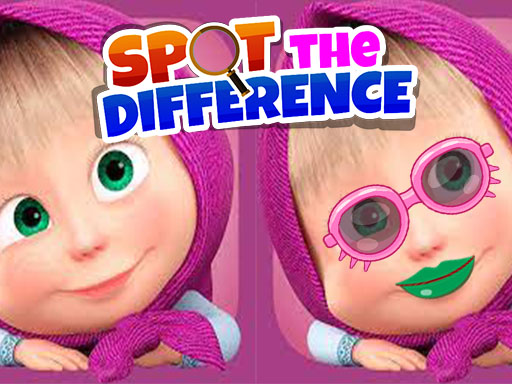
Masha and Bear Spot the Differences Puzzle
What players say
Masha and Bear Spot the Differences Puzzle delivers exactly what its name suggests: a gentle observation challenge built around comparing two nearly identical images. The absence of timers and the availability of zoom and hint tools lower the pressure, making it a good fit for younger players or anyone seeking a quiet brain workout. The difficulty curve keeps later levels from feeling repetitive, though the core loop never changes. Its main limitation is a lack of variety beyond finding differences, so players wanting action or story should look elsewhere.
How to play
Comparing Images for Subtle Differences
The core activity in Masha and Bear Spot the Differences Puzzle is a direct comparison between two side-by-side images. Each scene contains a handful of deliberate variations—a missing object, a shifted color, a changed shape—and the player's job is to locate every one. Tapping or clicking a difference marks it as found, and the level ends once all variations are identified. Because the images are nearly identical, success depends on careful scanning rather than speed. The game provides no timer, so players can take as long as they need without penalty. This design makes the puzzle accessible to young children and adults alike, though the later stages require closer attention as differences become less obvious.
Tools That Support Careful Observation
Two optional tools help when a difference proves hard to spot. A zoom feature lets players inspect small regions of either image at higher magnification, which is useful for details like facial expressions or background objects. A hint button reveals one difference when tapped, but it is best saved for moments of genuine frustration. Using hints frequently reduces the sense of accomplishment that comes from finding a difference independently. Both tools are available without cost or restriction, and neither interrupts the calm pace of play. The interface stays out of the way, leaving the artwork as the main focus.
Progression and Increasing Challenge
Levels are arranged so that early scenes contain obvious differences—a missing hat, a differently colored flower—while later scenes hide variations in less prominent areas. This gradual curve keeps the game from feeling repetitive, though it never becomes a race. Progress is tracked automatically, so players can stop and resume without losing their place. The difficulty comes from visual acuity, not from reflexes or time pressure. That makes the game a reasonable choice for short breaks, quiet afternoons, or shared screen time with family members who prefer cooperative rather than competitive activities.
Compatibility
FAQ
Comments
Sign in to comment
You must be logged in before posting a review or rating.
No comments yet. Be the first to comment!

Editorial Notes