
Logic Room Breakthrough
What players say
Logic Room Breakthrough is a cooperative puzzle game for groups, built around pattern recognition, code deciphering, and object manipulation. Its strength lies in encouraging communication: different players notice different clues, and progress depends on sharing observations. The gradual difficulty curve welcomes newcomers while keeping experienced solvers engaged. The lack of stress-inducing time limits and the ability to pause sessions make it flexible for busy schedules. The main limitation is that it is designed for groups, so solo players may find the cooperative dynamics less engaging.
How to play
How Cooperative Play Works
Logic Room Breakthrough is built for groups, not solo players. Each room presents a series of linked challenges that require everyone to observe their surroundings and connect subtle details. There are no individual winners or losers; progress depends on pooling observations. Because different people notice different clues, open communication and patience matter more than raw puzzle speed. The game includes no time limits that cause stress, though a gentle timer can be enabled for groups that want a light challenge. This structure makes it suitable for family game nights or team-building sessions, and no prior puzzle experience is required.
Puzzle Design and Difficulty
Every puzzle in Logic Room Breakthrough is built around pattern recognition, code deciphering, and object manipulation. Nothing is random; each element in a room serves a purpose. Some challenges require combining information from multiple sources, which encourages discussion and shared problem-solving. The difficulty ramps up gradually, so newcomers can learn the basics while experienced solvers remain engaged. The interface uses simple click-and-examine controls that work on both desktop and touch screens, and sessions can be paused and resumed, making it easy to fit a puzzle session into a busy schedule.
Visual Clues and Environmental Storytelling
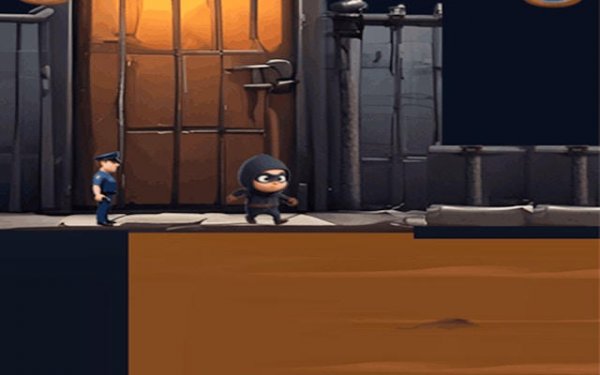
Each room is a self-contained scenario with its own theme and narrative hints. The visual design uses color, lighting, and object placement to guide attention without giving away solutions. Background details often contain subtle clues that become important later. The story unfolds through environmental cues rather than lengthy text, so players piece together the scenario as they explore. This approach keeps the focus on active problem-solving while still providing a sense of progression and discovery.
Themed Rooms and Replay Value
The game includes multiple themed rooms, each with a distinct setting and unique puzzle mechanics. After completing a room, players can revisit it to try solving it more efficiently or to explore alternative approaches. Some rooms may have optional bonus puzzles for those seeking extra challenge. The variety in themes and puzzle types ensures that no two sessions feel exactly the same, which extends the game's lifespan beyond a single playthrough.
Compatibility
FAQ
Comments
Sign in to comment
You must be logged in before posting a review or rating.
No comments yet. Be the first to comment!




Editorial Notes