
Cooperative Pixel Puzzle Quest
What players say
Cooperative Pixel Puzzle Quest focuses on two-character coordination rather than reflexes. Each stage asks you to combine the brothers' strengths to collect items and open the exit. The gentle difficulty curve, self-contained levels, and clean pixel art suit players who enjoy thoughtful, low-pressure puzzles. The main limitation is that the game offers no time-based challenge, which may not appeal to those seeking fast-paced action.
How to play
Two Characters, One Goal
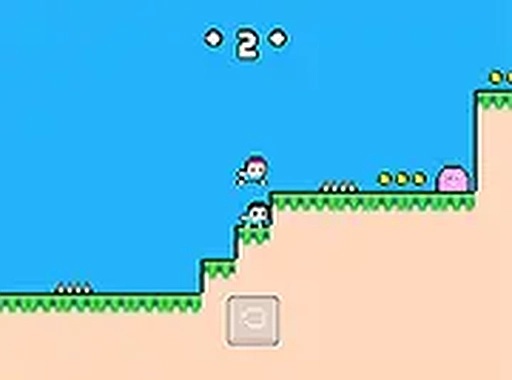
Every stage in Cooperative Pixel Puzzle Quest requires you to manage two brothers at once. You switch between them to move obstacles, reach high platforms, or activate switches. Neither character can finish a level alone. One might push heavy blocks while the other squeezes through narrow gaps, so you constantly weigh which brother should act next. The objective stays simple: gather every scattered item in a level to open the exit.
Puzzle Elements and Difficulty Curve
Early stages teach movement and character switching. Later levels introduce pressure plates, disappearing blocks, and locked doors that need specific keys. Moving platforms and timed switches appear as you progress, demanding coordinated actions between the brothers. Each stage is self-contained and completable in a short sitting, which suits both quick breaks and longer sessions. The difficulty rises gently, so newcomers can build confidence before facing tougher layouts.
Pixel Art Clarity and Calm Tone
The pixel art style uses bright, contrasting colors to make important objects stand out. Characters are small but expressive, with simple animations that show what each brother is doing. Backgrounds include gentle details like swaying trees or flowing water, keeping the atmosphere relaxed. The layout avoids clutter, which matters in a puzzle game where visual confusion can stall problem-solving. The cheerful palette maintains a positive tone throughout.
Controls and Accessibility
Controls are straightforward: arrow keys or on-screen buttons for movement, plus a dedicated button to switch between brothers. There is no time pressure, so you can think through each move at your own pace. The interface shows only essential information, such as how many items you have collected. Visual cues like highlighted paths or glowing objects guide you without revealing solutions. This simplicity makes the game approachable for young players or anyone new to puzzle games.
✅ Compatibility & Testing
FAQ
Comments
Sign in to comment
You must be logged in before posting a review or rating.
No comments yet. Be the first to comment!

Editorial Notes