
Timber Tap Reflex
What players say
Timber Tap Reflex succeeds by narrowing its focus: tap logs quickly, avoid the one object that ends your run, and chase a higher score on the global leaderboard. The pixel art keeps the screen readable, and identical controls across desktop and mobile make it easy to pick up anywhere. Rounds are short, so it fits into spare moments, though the instant-fail rule may frustrate players who prefer gradual difficulty. Best suited to anyone who enjoys pure reflex challenges and leaderboard competition.
How to play
The Tap-or-Fail Loop
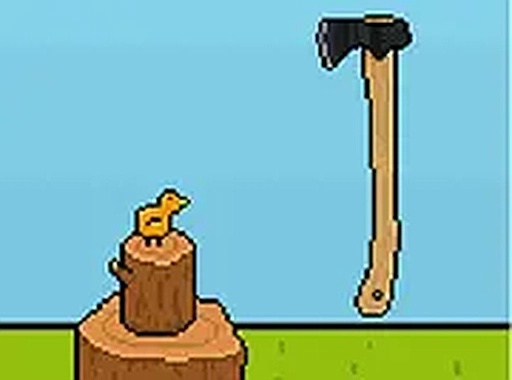
Every round of Timber Tap Reflex works the same way: wooden logs appear on screen, and you tap or click each one before it disappears. Speed matters because faster responses push your score higher. The tension comes from a single rule—occasionally a different object appears among the logs. Hitting that object ends your run on the spot. You are always deciding whether to tap now or hold back for a split second, and that risk-reward choice keeps each attempt focused.
Pixel Art Built for Clarity
The clean pixel art style uses bright, friendly colors to separate the logs you want from the object you must avoid. Nothing clutters the screen, so your eyes can track the action without scanning past decorative elements. That visual restraint matters in a reaction game: if obstacles blended into the background, quick decisions would feel unfair rather than difficult. Here, the design supports the pace instead of fighting it.
Play in Your Browser, Anywhere
Timber Tap Reflex runs directly in a browser with no download or installation. On desktop you use the mouse; on mobile you tap the screen. Because the controls are identical across platforms, switching devices does not change how you play. You can practice on a phone during a commute and continue on a laptop at home without adjusting your technique.
Leaderboard Pressure and Short Sessions
A global leaderboard tracks the highest scores and updates in real time, so there is always a number to chase. Rounds last only a short time, which makes it easy to squeeze in a few attempts during a break. Mistakes end the run, encouraging an immediate retry. That combination—quick rounds, instant failure, and a visible ranking—creates a natural play, fail, learn, try again pattern that gives the simple premise lasting pull.
Compatibility
FAQ
Comments
Sign in to comment
You must be logged in before posting a review or rating.
No comments yet. Be the first to comment!


Editorial Notes