
Pixel Runner's Coin Chase
What players say
Pixel Runner's Coin Chase strips platforming down to collection and navigation. The absence of points for coins or enemies keeps attention on timing and level reading. Touch controls and a gradual difficulty curve make it approachable on handheld devices. The main limitation is the lack of combat depth, which may not appeal to players seeking action-heavy platformers. Best suited for fans of retro collectathons and puzzle-like level design.
How to play
Coin-Collecting Core Loop
Every stage in Pixel Runner's Coin Chase gives you one job: collect a required number of coins scattered across the level. Once you have enough, a trophy appears somewhere in the environment. Touching that trophy unlocks the next stage. Points are not awarded for defeating creatures or picking up coins, so the game pushes you toward exploration and precise movement rather than combat. The loop stays consistent, but level layouts change how you approach each collection run.
Movement and Touch Controls
You control the main character with on-screen buttons or a connected keyboard. Movement is limited to left, right, and jump. The jump is your main tool for clearing gaps, reaching higher platforms, and avoiding hazards. Controls respond quickly enough to adjust mid-air, which matters when a jump is slightly off. The game is optimized for touch input, so it plays comfortably on tablets and phones without a controller.
Hazards and Interactive Objects
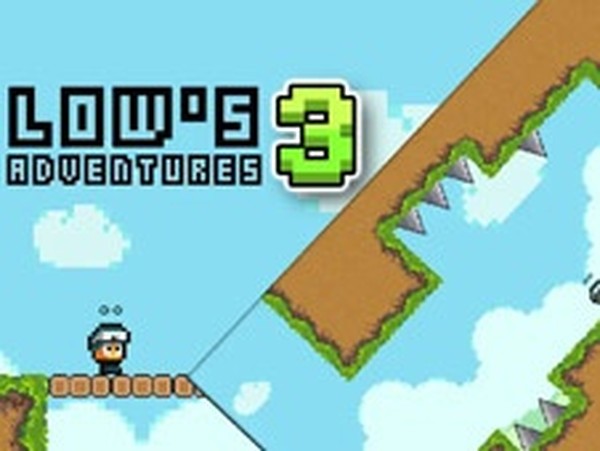
Levels mix pits, spikes, and patrolling creatures. Touching a pit or spike restarts the stage, while creatures can be safely passed by jumping on top of them. Other objects change how you move: ramps help clear wide gaps, trampolines launch you upward, elevators provide vertical movement, and stairs connect different sections. These elements combine into puzzles that test how well you read the level layout before committing to a jump.
Power-Ups and Difficulty Curve
Some stages include power-ups that alter your abilities. The umbrella, for example, lets you glide after jumping, slowing your descent and making narrow platform landings safer. These items are optional, but using them at the right moment can simplify tricky sections. As you progress, stages introduce more complex arrangements of hazards and platforms. Early levels teach basic movement and coin collection, while later ones demand precise jumps, faster reactions, and better use of interactive objects. Replaying earlier stages can help you build the skills needed for tougher challenges.
Compatibility
FAQ
Comments
Sign in to comment
You must be logged in before posting a review or rating.
No comments yet. Be the first to comment!





Editorial Notes